Scientific Inquiry
Neuroscience Education
Undergraduate-level coursework and specialist programmes completed alongside school.
Genetic Engineering Training Camp
Hong Kong Federation of Youth Groups · 2026
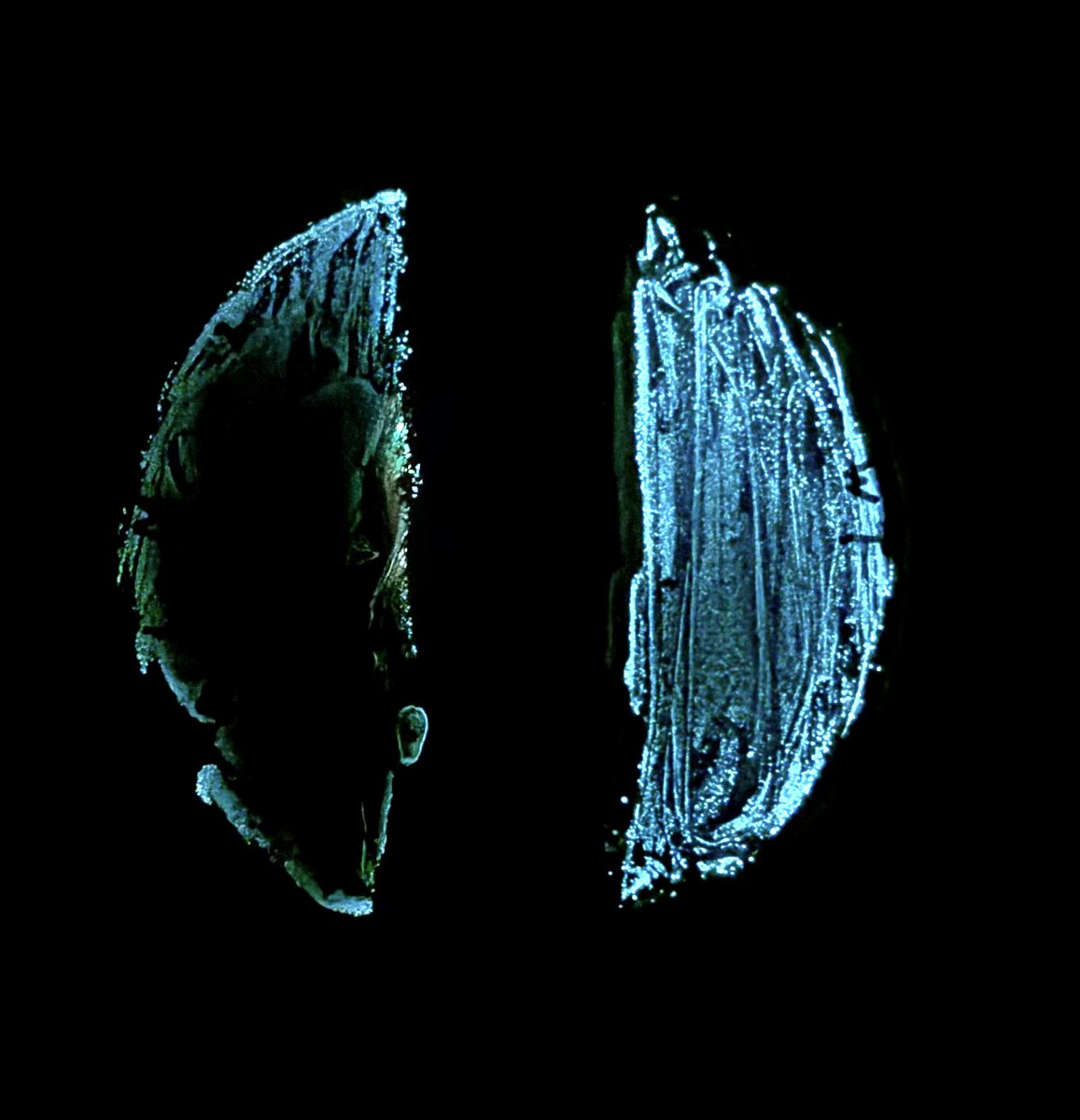
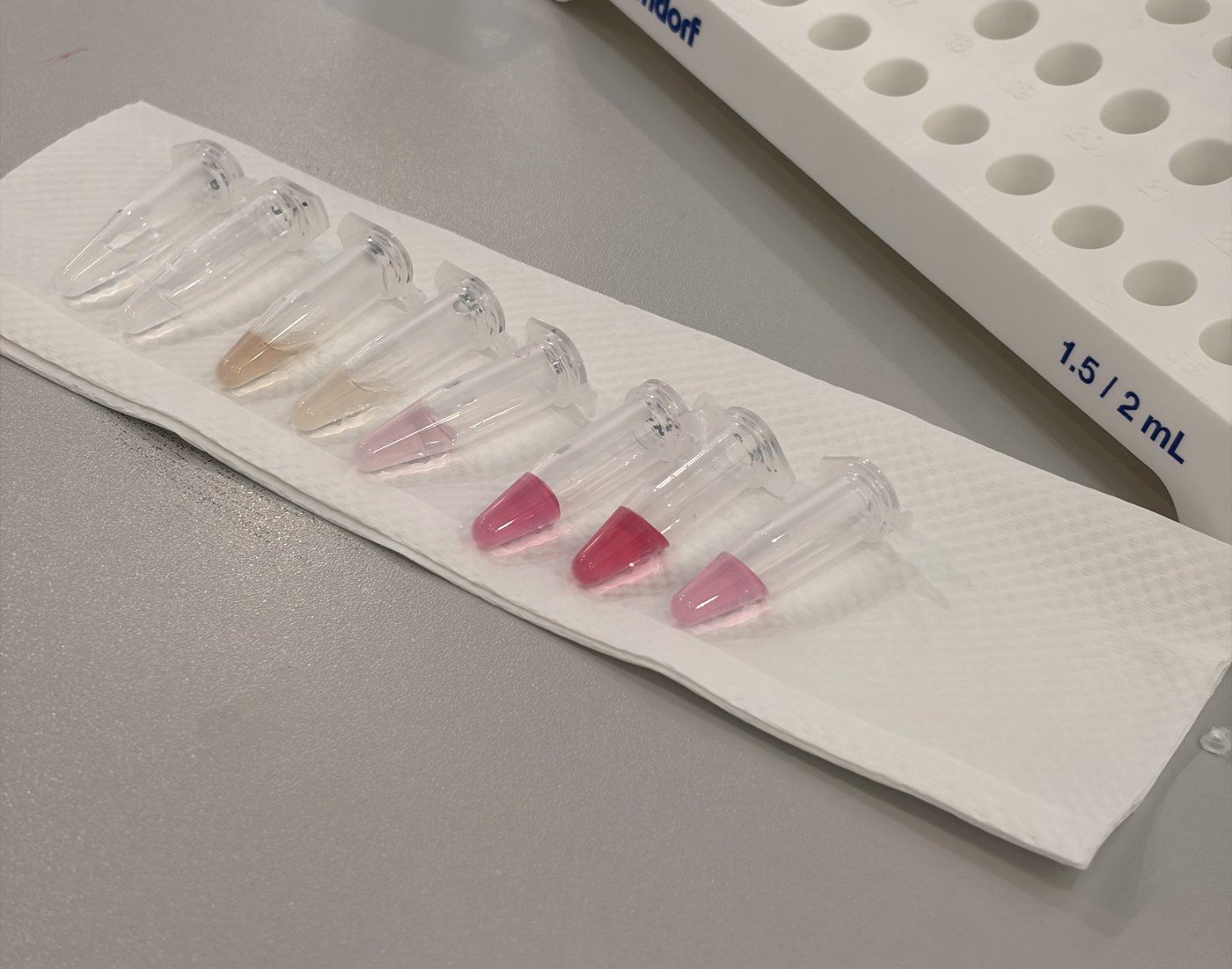
A full-time laboratory programme in molecular biology, spanning genetics, virology, immunology, bioinformatics and bioethics. Bench work included gene cloning, Western blotting, immunoprecipitation and ELISA, alongside training in literature review and scientific presentation.
University Courses
Johns Hopkins University
Neurobiology: Cellular and Behavioural
Undergraduate-level, credit-bearing course structured around three modules — Cellular, Systems and Advanced Topics. Covered the electrical and chemical basis of neurotransmission, how external stimuli are neurally coded into perception and sensation, and the pathologies of the nervous system, alongside the laboratory and research methods used to design neuroscience experiments.
Final project: wrote a book on neuroplasticity.
Columbia University
Neuroscience of Psychiatric Disorders
An intensive Pre-College course on the neural mechanisms underlying human behaviour and neuropsychiatric disorders. Combining psychology and neuroscience, it examined the biopsychosocial factors behind anxiety, major depressive disorder, substance abuse and schizophrenia, tracing each to its genetic, cellular, behavioural and systems-level mechanisms through lectures, discussion and case work.
Final project: case-study presentation on PTSD and its clinical implications.
Harvard University (edX)
Fundamentals of Neuroscience: Part 1
The electrical life of the neuron, built from first principles: the resting potential, diffusion and electrostatic forces, the Nernst and Goldman–Hodgkin–Katz equations, passive membrane properties such as resistance and capacitance, and the action potential. Theory was paired with computational simulation of neuronal behaviour.
University of Toronto
NeuroSci 101 Lecture Series
A three-month evening lecture series run by the Collaborative Program in Neuroscience and taught by graduate researchers — a breadth-first tour of the discipline rather than a single specialism. Sessions moved from neuroanatomy, action potentials and chemical messengers through plasticity, learning and memory, vision, brain imaging, stress and immunity, touch, pain and movement, sleep, drugs and the brain, and closed on neural networks and artificial brains.
The University of Hong Kong
Interfacing Brain and Behaviour
A psychology-led programme through the Psychology Academy for the Talented. A brain and eye dissection anchored anatomical structure directly to function, while seminars covered the use of AI in neuroscience and mental-health applications, and the ethical limits of psychological research.